Christmas Greeting Cards Cute: A Graphic Designer's Review
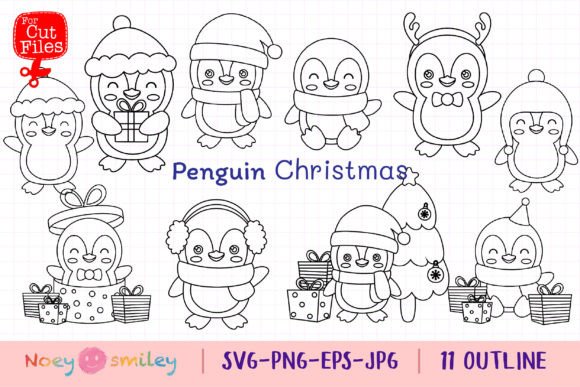
Every December, the inbox fills with requests for festive visuals—a small bakery wants holiday packaging, a local boutique needs social media graphics, an Etsy seller is launching a seasonal line. The pressure to deliver something that feels both fresh and appropriately cheerful is real. So, when considering the Christmas Greeting Cards Cute bundle as a potential asset for a real client project, my first question isn’t about the file formats, but about the mood. Opening the files, the immediate impression is one of warmth. It’s a style that leans into classic holiday charm without being overly nostalgic or kitschy. The illustrations feel approachable, a balance between polished and playful. This isn’t a hyper-modern, abstract take on the season; it’s a welcoming, emotive one.
The Instinctive Fit: Where This Bundle Belongs
This graphic design asset naturally gravitates toward projects where personality is paramount. Think of a handmade business, a family-run cafe, a children’s brand, or a product line with a story of craftsmanship. The aesthetic supports brands that want their holiday communication to feel personal, like a handwritten note rather than a corporate memo. For a visual concept centered around community, small-batch production, or heartfelt gifting, these illustrations provide a ready-made foundation. They could easily become the core of a boutique’s seasonal brand identity, extending from packaging design to website graphics.
Putting the Illustrations into Real-World Practice
Let’s imagine a client: a local artisan soap maker preparing a holiday gift box collection. How does Christmas Greeting Cards Cute perform? For product labels and packaging design, the vector files (AI and EPS) are crucial. They allow for clean scaling and integration into a label layout, perhaps as a decorative border or a supporting icon next to the logo. For social media graphics and Pinterest pins announcing the launch, the high-resolution assets become hero graphics. They set the tone instantly. For printable designs like a thank-you card inserted in each box, or a festive flyer for a pop-up market, the provided canvas size offers ample space for composition.
The bundle shines in areas that require decorative detail. Consider it for:
- Supporting brand elements on holiday-themed web design sections.
- Decorative accents on invitations for a studio’s customer event.
- Product mockups for Etsy product listings or print-on-demand storefronts.
- Themed collections of merchandise like sticker designs, tote bags, or mug art.
- Campaign visuals across digital ads and Instagram posts, creating consistency.
Navigating the Practical Limitations
As with any creative design asset, understanding its boundaries is key to professional use. The detailed, cute nature of Christmas Greeting Cards Cute means it requires careful application in certain contexts. In small sizes—think a tiny logo on a tag—the intricacies may become muddled, hurting readability. On crowded layouts with lots of text and other elements, it could contribute to a cluttered visual hierarchy, competing rather than complementing. It’s not inherently suited for minimalist branding or projects demanding a very clean, corporate feel. If the client’s brand voice is sleek and serious, this bundle would likely feel dissonant.
The Designer’s Checklist Before Commercial Use
Before committing this digital product to a client’s commercial design, a few practical steps are non-negotiable. First, test it in black and white. Does the charm hold without color? This is vital for any print scenario where color might fail. Second, check contrast on both light and dark backgrounds, especially if using elements for web design or social media graphics with variable themes. Third, preview it at both small and large sizes—open the vector files and scale them to extremes to see if line weights remain clear.
Fourth, place it on real mockups. Drop a card design onto a packaging template. See how it interacts with the client’s typography. Does it pair well with a clean sans-serif font for text, or does it require a more playful handwritten font to match? This comparison is essential for brand consistency. Fifth, if print is involved, test print quality at the intended output size. Sixth, review the file formats against your workflow. The AI and EPS files offer full editability for logo design or custom illustration tweaks, which is a significant professional advantage over static PNGs. Finally, always confirm the commercial license explicitly. Assuming isn’t professional; verifying that this design bundle is cleared for marketing visuals and physical products like sublimation design or sticker design for a client’s business is the first step.
The Impact on the Final Design Impression
Integrating Christmas Greeting Cards Cute into a project isn’t just about adding decoration; it’s about steering emotional appeal and audience engagement. When used appropriately, it elevates the perceived warmth and sincerity of a brand’s holiday message. It can enhance visual trust by making communications look cohesive and thoughtfully designed, rather than hastily assembled from disparate clipart. For a small business branding effort, this polish can be invaluable, making their seasonal campaign visuals feel competitive and intentional.
However, misapplication can dilute professionalism. Overusing the illustrations, or forcing them into a layout where they clash with the established brand identity, can make the final result seem amateurish. The key is to treat them as a potent ingredient, not the entire recipe. They are superb for improving the visual mood of supporting materials—blog visuals, editorial design in a holiday newsletter, decorative Canva templates for the client to use—while allowing the core brand elements (like a primary logo) to remain clean and authoritative.
A Conclusion from the Workbench
Christmas Greeting Cards Cute is a specific tool. It won’t fit every holiday project on my desk. But for those clients whose brand story is built on connection, charm, and a touch of tradition, it’s a remarkably efficient starting point. The provided formats speak to a designer’s need for flexibility: scalable vectors for packaging details, high-resolution bases for printable wall art. It avoids the generic feel of some market assets, offering a distinct style that can help a project feel both festive and uniquely branded. My final judgment, after this review, is that it’s a worthy asset for the creative marketplace—one that, with careful, professional application, can help turn a seasonal concept into a polished, engaging reality.