A Festive Illustration for Modern Holiday Graphics
First Impressions: A Warm, Welcoming Holiday Mood
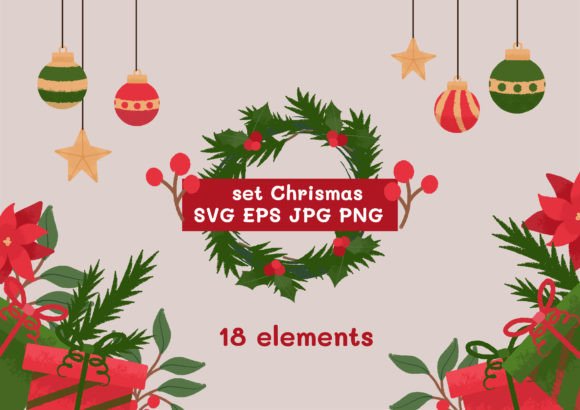
Opening the Christmas Celebrate Art files, the immediate impression is one of joyful warmth. This isn't a stark, minimalist graphic; it’s an illustration built for celebration. The style leans towards a hand-drawn, accessible feel, suggesting a cozy, inclusive holiday mood. It feels like a natural fit for projects targeting families, local communities, handmade brands, and any business wanting to emphasize a personal, heartfelt connection during the season. For a designer reviewing assets for a client project, this sets a clear emotional direction.
The Real Client Project: A Small Boutique’s Holiday Campaign
Imagine you’re developing the seasonal visuals for a small craft boutique. They need packaging for their holiday product line, social media graphics announcing a local event, and printable tags for their handmade goods. The client’s brand is friendly but needs to elevate its professionalism. Here, Christmas Celebrate Art becomes a potential cornerstone. Its illustrative nature provides a ready-made thematic core. Instead of building a holiday motif from scratch, this graphic design asset offers a cohesive visual starting point that can be adapted across multiple formats—from the AI file for custom editing to the JPG for quick placements.
Where This Illustration Works Best
In practical application, this asset excels in specific roles. It’s ideal as a hero graphic on a website banner or a poster announcing a holiday sale. The provided canvas size of 1920px by 1280px makes it suitable for large layout areas. For a product mockup, elements from the SVG or EPS file could be isolated to adorn packaging design, like a gift box label or a mug design. Its celebratory nature lends itself perfectly to social media graphics for Instagram posts or Pinterest pins, creating immediate thematic recognition. For printable designs like wall art or an invitation to a boutique event, the artwork provides a polished, complete scene.
Considerations for Brand Consistency and Hierarchy
However, a professional designer must always weigh an asset’s impact on brand identity and visual hierarchy. This illustration is detailed and rich. If used as a decorative accent on a product label, it could enhance the mood without overpowering the product name. But in crowded layouts, such as a flyer with extensive text, it might compete for attention. Its strength lies in supporting brand elements, not replacing them. For a minimalist branding project seeking a very clean aesthetic, this asset might be too dominant. It works best when the illustration itself is a key part of the story.
Performance in Key Design Applications
Let’s break down its performance across common client needs.
Logo Design & Brand Identity: While the full illustration isn’t a logo, individual elements from the vector files (AI, EPS, SVG) could be extracted and refined to form a seasonal logo mark or icon for a holiday campaign, adding a unique touch to a small business branding effort.
Product Labels & Packaging: This is a strong use case. The artwork can be scaled and placed behind or beside text to create an evocative label for a holiday candle, cookie box, or craft kit. It instantly communicates the product’s festive nature.
Digital & Social Media Graphics: For a content creator or blogger, the JPG file is a quick solution for blog visuals or digital ads. The mood it creates boosts audience engagement through its emotional appeal.
Merchandise & Printable Products: For an Etsy shop owner or print-on-demand seller, the vector formats are crucial. The SVG design allows for clean cutting in Cricut projects for sticker design or t-shirt design. The scalable vectors ensure no loss of quality for sublimation design on tote bags or mugs.
Practical Designer Checks Before Client Use
Before committing this asset to a real client project, a thorough review is essential.
First, test it in black and white. Does the composition hold up without color? This checks its fundamental strength. Next, check contrast by placing it on both light and dark backgrounds in your layout. Some detailed areas may fade.
Preview it at small sizes. How does it look as a tiny icon on a website footer? The detail might become a muddy texture. Conversely, test it at a very large size for a poster—the 1280px height may require extension for some large-format prints.
Examine the file formats critically. The inclusion of an AI and EPS file is a major benefit for deep customization within professional design software. The SVG offers web and cutting machine compatibility. The JPG is a fallback for quick applications. Verify the commercial license explicitly for your client’s intended use.
Finally, place it in real mockups. Drop it onto a packaging template, a website header, a social media post layout. See how it interacts with your client’s typography. Compare it with a sleek sans serif font for a modern look, or a script font for a traditional feel. Does it complement or clash? This step reveals its true suitability.
A Note on Professional Polish and Emotional Appeal
The ultimate value of an asset like Christmas Celebrate Art for a commercial design project is twofold. First, it can significantly improve the professionalism of a project for a handmade business or startup. Providing a cohesive, well-executed illustration elevates the final result beyond amateur clipart. Second, it directly influences the emotional appeal and visual trust of the campaign. A warm, engaging holiday graphic makes the brand feel more inviting and authentic, which is the core goal of many seasonal marketing visuals.
Final Judgment: A Versatile Asset for Thematic Projects
From the perspective of a designer reviewing for client work, Christmas Celebrate Art is a useful and versatile digital product. It won’t fit every project—it’s too specific for corporate, year-round branding. But for the realistic scenario of a seasonal campaign, a holiday product launch, or a themed collection for a creative marketplace, it provides a solid foundation. Its multiple file formats offer flexibility for editing, scaling, and applying across print and digital mediums. When used thoughtfully—respecting layout hierarchy and brand consistency—it can help a designer deliver a polished, emotionally resonant final product that feels both celebratory and professionally crafted.