A Christmas Pug Illustration for Real-World Embroidery
When I sit down to evaluate an embroidery design for real project use, my first thought is always about its life beyond the screen. A cute graphic on a marketplace is one thing, but how it translates into stitches, onto fabric, and into the hands of a customer is another. Today, I’m looking at the Christmas Dog,Christmas Pug Illustration. Let’s talk about what this design brings to the hoop and to your craft business.
The Immediate Charm: Where This Pug Belongs
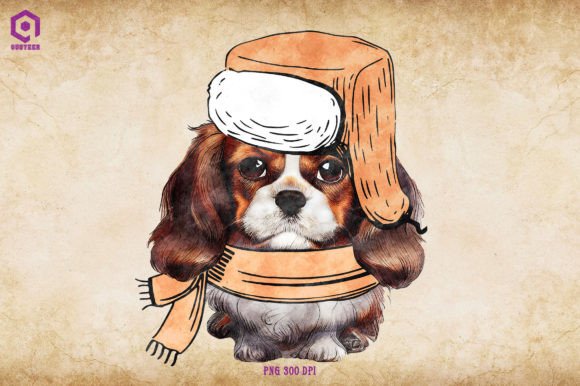
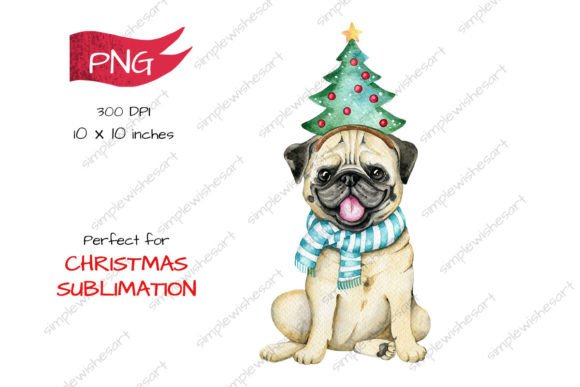
Opening this illustration, the mood is instantly festive and friendly. It’s not just a holiday graphic; it’s a character. The layout feels centered and balanced, which is a gift for embroidery placement. The detail level strikes me as intentional—likely designed to be recognizable without becoming overly dense, which is a crucial consideration for stitch clarity. This isn’t a hyper-realistic portrait; it’s a stylized, cheerful emblem. Its visual personality screams holiday gift, cozy apparel, and personalized decor. I picture it naturally belonging on a holiday-themed tote bag, a warm sweatshirt for a dog lover, or as a sweet, subtle accent on a baby’s Christmas romper. It has that boutique-ready appeal.
Thinking Through a Real Project: The Custom Tote Bag
Imagine you’re preparing a custom embroidered tote bag as a seasonal product for your small shop. You want something that feels festive but not generic, charming but not childish. This Christmas Pug illustration fits that niche perfectly. The shape is contained, making it manageable for a standard bag panel. I’d be thinking about thread colors immediately. The description rightly notes that colors may appear differently, so my first practical step would be to test a small section on scrap fabric with my chosen threads. Would the reds feel Christmas-y? Would the pug’s features remain distinct? That’s the real-life embroidery situation you need to simulate before committing to a batch of merchandise.
Performance Across Products: From Caps to Kitchen Towels
This design’s strength is its adaptable scale. For custom apparel like sweatshirts and t-shirts, it can be a focal point without overwhelming the garment. On baby clothes or nursery decor, it offers a gentle holiday theme. As an embroidered patch, it would be absolutely delightful—the kind of item that sells well at craft fairs. For home goods, think pillow covers or tea towels; it adds personality without being too kitschy. In a printable mockup for your Etsy listing, it would present as a clean, appealing graphic, helping customers visualize the finished product. For commercial embroidery projects, like a series of aprons for a boutique café, it provides a consistent, branded holiday look.
However, its performance hinges on technical forethought. This is where a designer’s experience pays off.
Where to Exercise Caution
While versatile, some applications demand extra care. On very small hoop sizes, the finer details might need simplification to maintain clarity. Textured fabrics, like some blankets, could obscure the lighter lines. Embroidering onto dark fabric will require careful thread color selection for contrast—you might need to adjust the suggested palette. On curved surfaces like caps, the centered layout is good, but you must ensure the stabilizer is robust to prevent distortion. The design doesn’t appear to have tiny lettering, but any dense areas, like perhaps the holly accents, should be checked for stitch density to avoid puckering on thin or stretchy fabric. And for items needing frequent washing, like kitchen towels, a solid fill stitch construction will be more durable than very fine running stitches.
The Impact on Your Business and Customer
Using a well-executed design like this directly affects your product’s perceived value. Stitching clarity builds customer trust; a crisp, happy pug looks professional. For a handmade presentation, it adds a touch of whimsical expertise. It’s highly giftable, tapping into the universal love for pets and holidays, which boosts buyer engagement. If you run a craft business with a cohesive style, this illustration can enhance brand consistency during the holiday season. Its recognisable theme also aids in recognition—customers remember and seek out that charming pug design.
Practical Notes from the Hoop
Before you run this machine embroidery design, here’s my checklist. Always test on scrap fabric first, preferably a piece similar to your final project material. Check thread color contrast against your background fabric. Review stitch density in the file if possible; if details aren’t provided, a test run will reveal any overly thick areas. Confirm your hoop size can accommodate the design at your desired scale. Inspect small details like eyes or accents to ensure they’ll stitch out cleanly. It’s wise to test the design in a black and white mockup to understand its form separate from color. Compare how it might look on light and dark fabric backgrounds by imagining the stitch lines. Always use proper stabilizer for the fabric type; this is non-negotiable for quality. Crucially, check the licensing for this digital embroidery file before selling finished items or using it in commercial embroidery projects. The product category is Illustrations and type is Graphics, so clarify if it’s intended for personal use, commercial use, or both.
Final Thoughts on Real-World Use
The Christmas Dog,Christmas Pug Illustration is more than a digital asset. It’s a potential centerpiece for a holiday embroidery project that resonates with people. Its charm is its biggest selling point, but its successful application depends on your practical skills as an embroiderer. By approaching it with a designer’s eye—considering fabric, thread, stabilizer, and end-use—you can transform this graphic into a beautiful, durable finished product. Whether for a personalized gift, an item in your Etsy shop, or small shop merchandise, this pug has the personality to shine. Just remember: the magic happens not in the preview, but in the preparation and the stitching.